ACL reconstruction is more than replacing a ligament.The plan starts before the operation.
Reconstruction is considered when the clinical picture, instability and activity demands make restoration of ACL stability important. The operation is only one part of the pathway: graft choice, associated injuries, pre-operative knee condition, rehabilitation and return-to-sport goals all shape the plan. ACL reconstruction in Abu Dhabi is carried out at Healthpoint Hospital by a FIFA-qualified sports knee surgeon.
Select the situation closest to the decision being made. No single factor decides surgery on its own; the pattern is interpreted with examination, imaging, activity demands and goals.
DECISION 01AN EDUCATIONAL GUIDE
The knee still gives way during the movements that matter.
Repeated giving way during turning, cutting or sport suggests functional instability. Reconstruction may become more relevant when the knee cannot reliably perform the movements that matter despite appropriate rehabilitation.
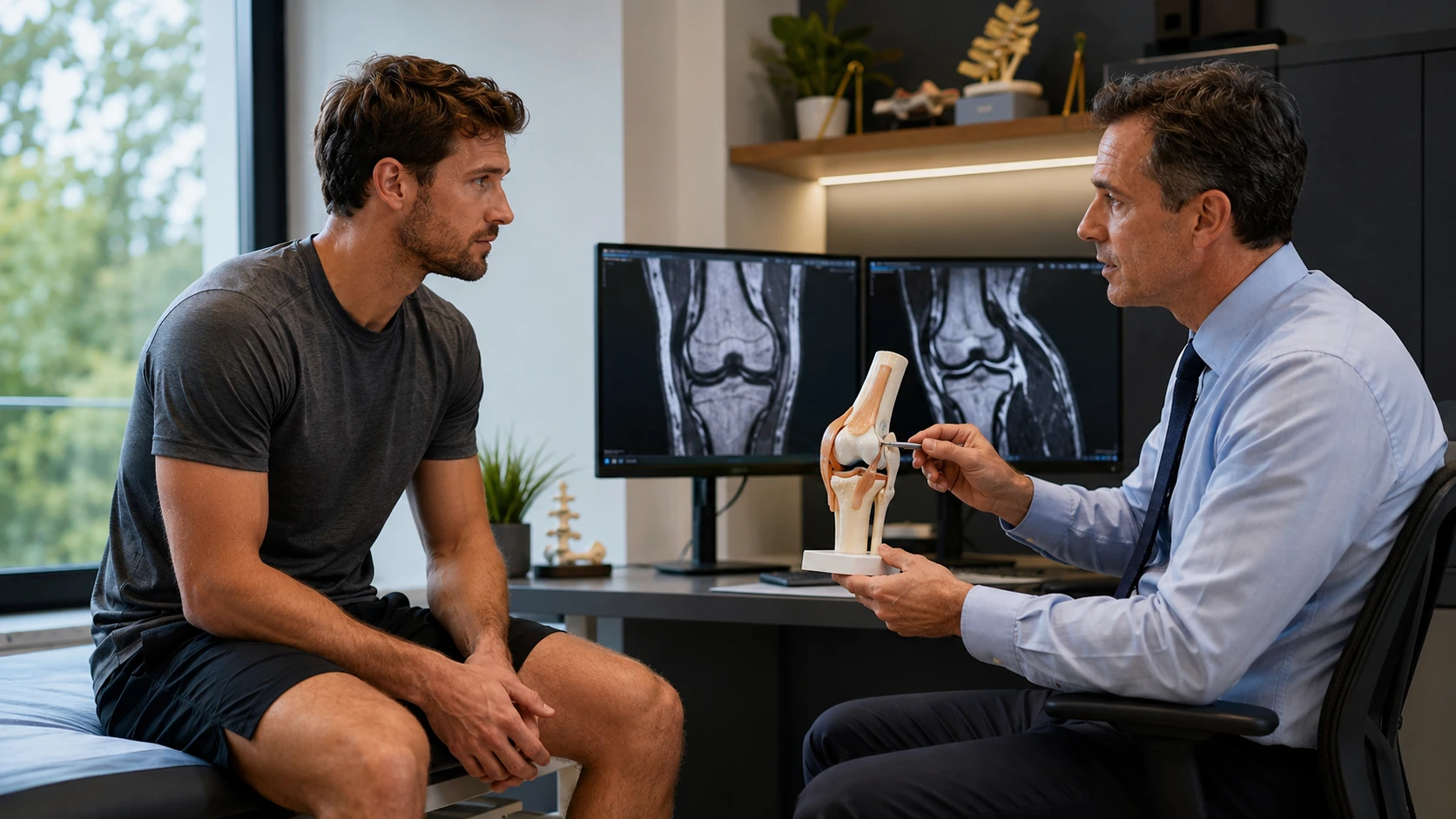
The operation is planned around the knee that arrives in theatre.
Before reconstruction, the surgeon considers motion, swelling, stability, associated injury, graft strategy and the person's activity goals. A calm knee with restored extension and good muscle control provides a clearer starting point for postoperative rehabilitation.
01
Is the knee ready for surgery?
Swelling, extension, flexion, gait and quadriceps control are reviewed so the operation is not planned in isolation from the knee's current condition.
02
What graft strategy fits the person?
Autograft and allograft options have different considerations. Age, sport, activity demands, anatomy, previous surgery and individual priorities help guide the discussion.
03
Is another structure being treated too?
Meniscal repair, cartilage injury or additional ligament damage can change the procedure, early loading and rehabilitation plan.
04
What does the athlete need to return to?
The expected demands of work, running, cutting, pivoting and competition influence both surgical planning and the later rehabilitation targets.
05
Does the patient understand the full pathway?
ACL reconstruction creates a new stabilising graft, but successful recovery still depends on months of progressive rehabilitation and objective readiness.
PROCEDURE / 02
“The operation reconstructs stability. The plan around it protects motion, strength and the return goal.”
CHAPTER 03 · THE RECONSTRUCTION
A graft recreates the ACL pathway.Tunnel position and fixation make that pathway possible.
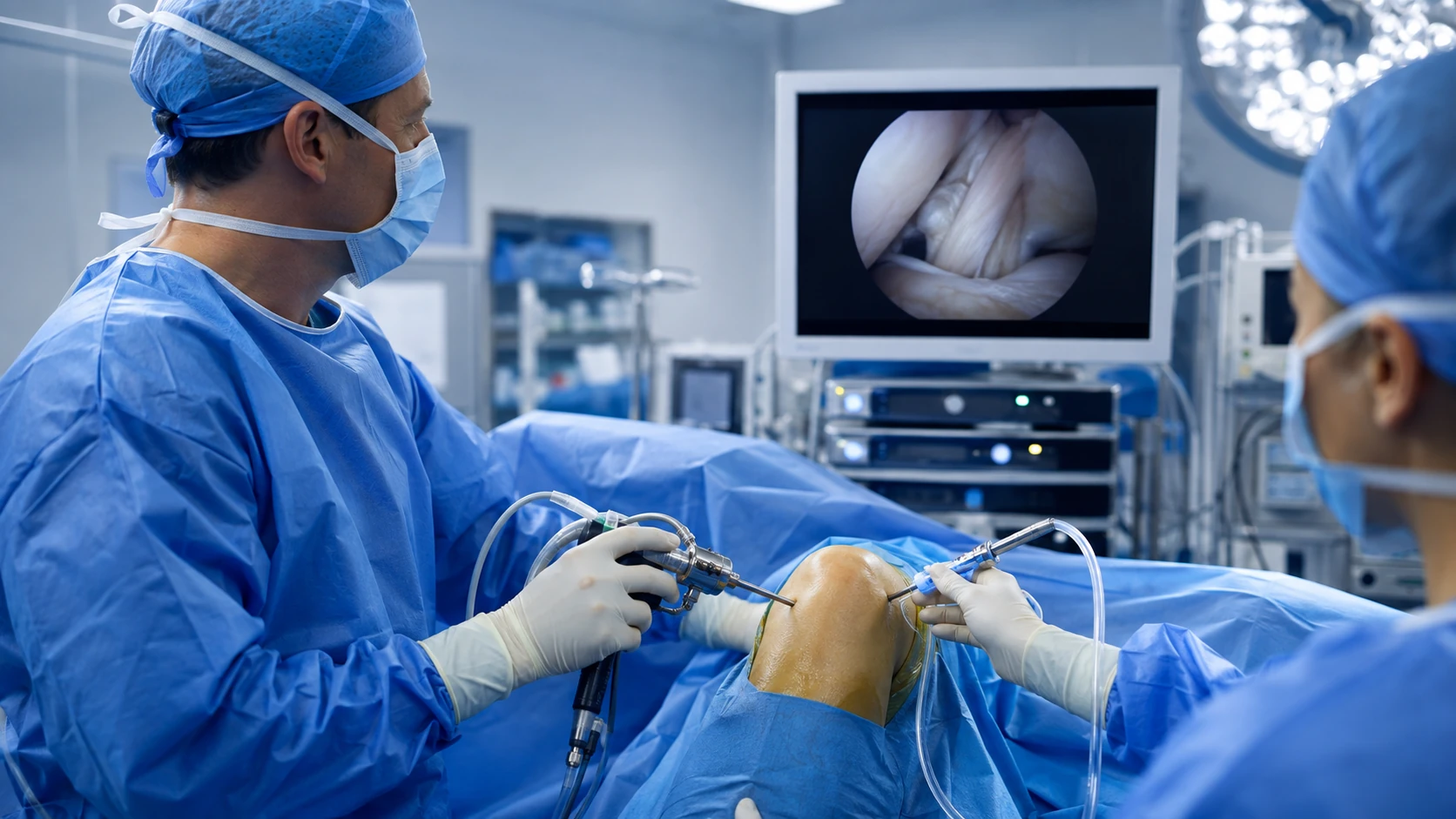
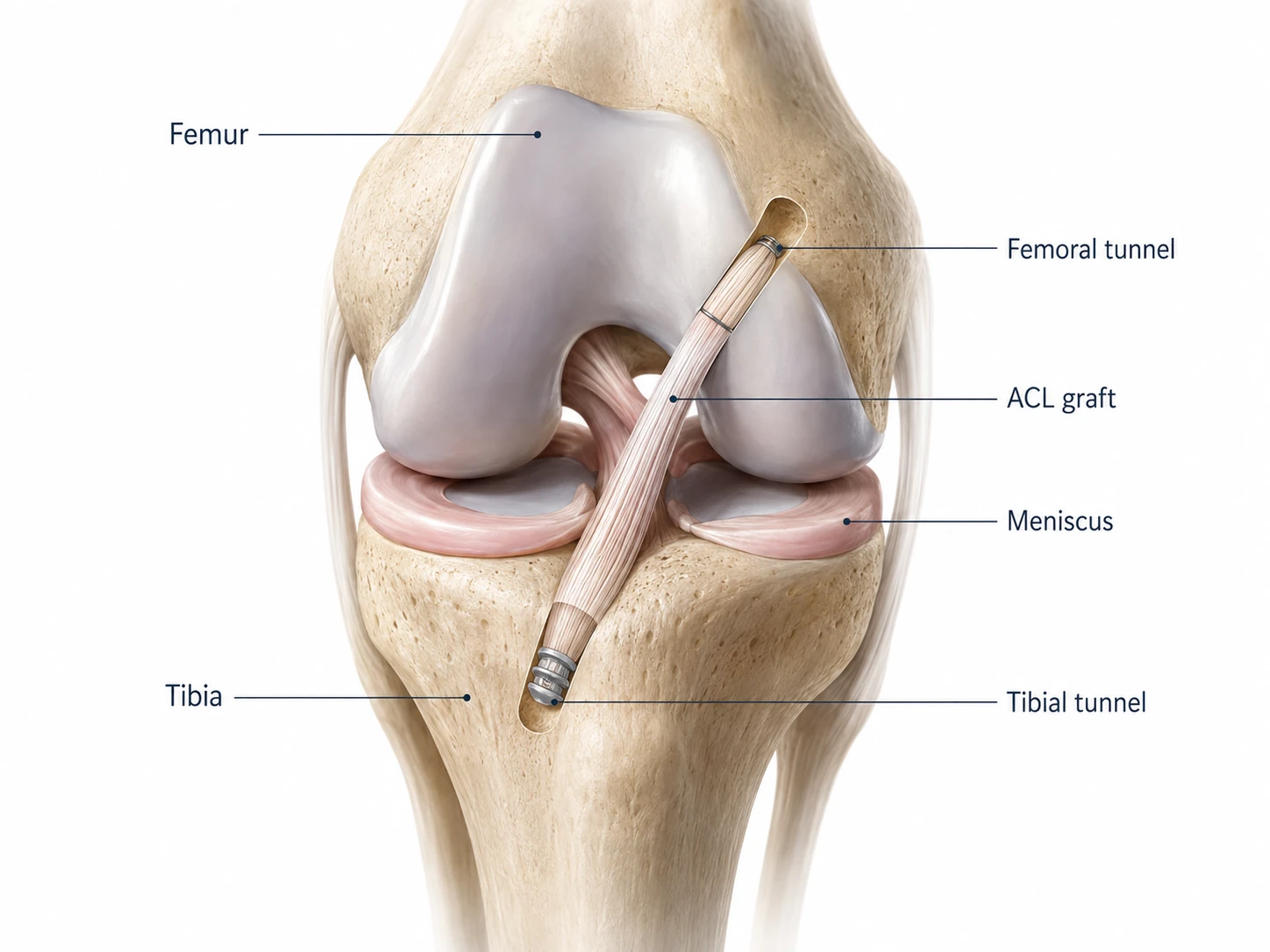
ACL reconstruction uses a tissue graft positioned between the femur and tibia to recreate the stabilising course of the native ACL. Bone tunnels and fixation are part of the reconstruction, while the exact graft, tunnel and fixation strategy varies with the patient and surgical technique.
Simplified reconstruction anatomyTechnique varies by patient
SELECTED OBSERVATION 01 / 03
The graft is positioned to recreate ACL function
The reconstructed tissue spans the knee from tibia to femur. The aim is to restore functional stability while the graft incorporates and rehabilitation rebuilds strength and movement control.
CHAPTER 04 · RECOVERY
Rehabilitation is part of the reconstruction. Progress is earned in layers.
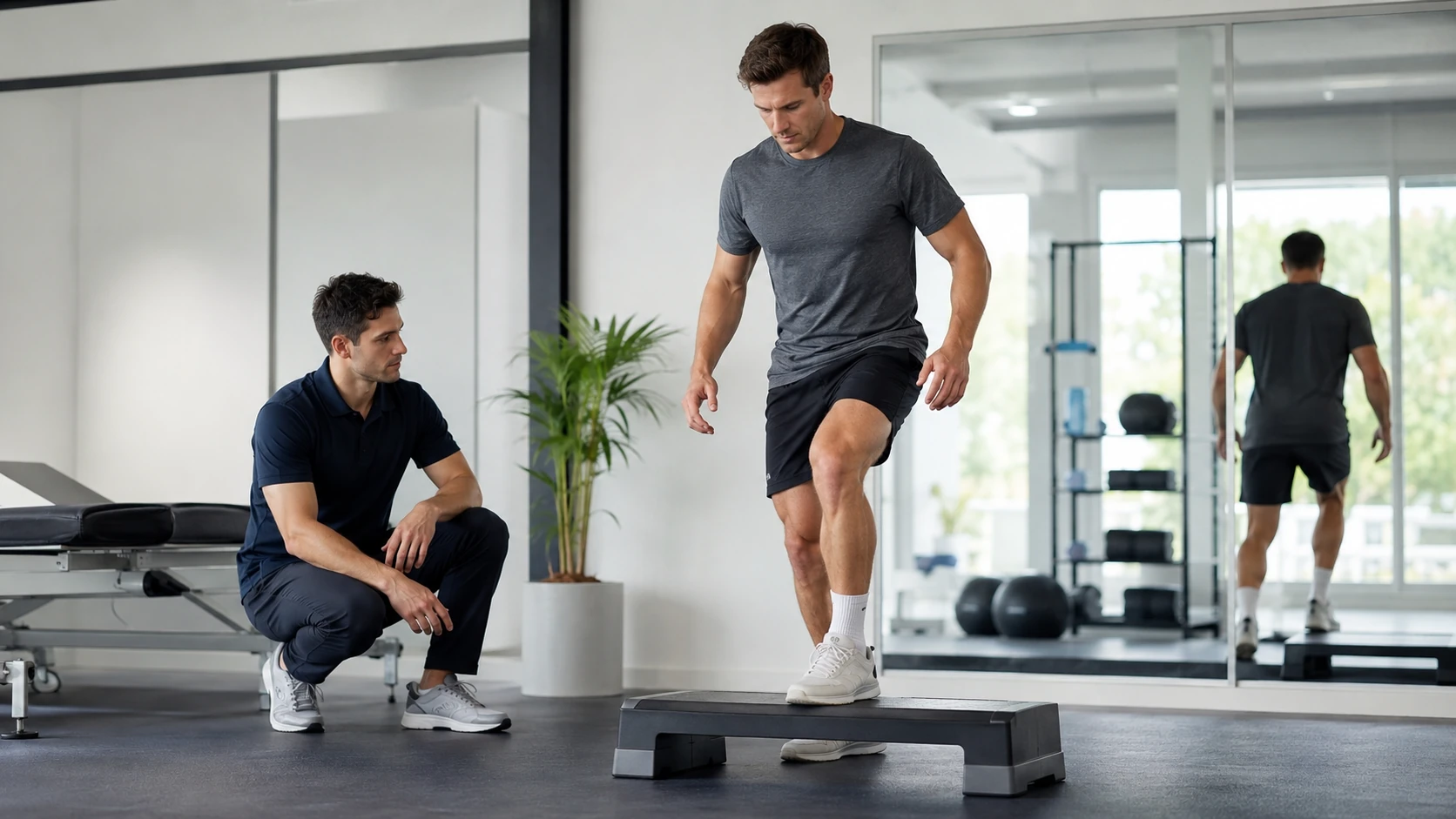
The rehabilitation programme is individualised around the procedure, associated injuries and clinical progress. Early priorities differ from later strength, running and sport-specific phases.
PHASE 01
PROTECT & RESTORE
Control swelling, restore extension and rebuild a confident walking pattern.
What it may include
Early range-of-motion work, swelling management, quadriceps activation and progressive loading according to the operation and any associated procedure.
What it cannot decide
Early comfort does not mean the graft or athlete is ready for running, pivoting or sport. Later strength and functional milestones still matter.
↔Recovery is progressive, not identical for everyone. Meniscal repair, cartilage work, graft choice, symptoms and individual progress can alter loading and timing.
CHAPTER 05 · RETURN
The final question is not “how many months?” It is “what can the knee demonstrate?”
Time is part of graft recovery, but return to higher-demand sport also requires clinical and functional readiness. Symptoms, motion, strength, movement quality and sport-specific testing are considered together.
01
The knee is clinically quiet
Swelling is controlled, useful range of motion is restored and day-to-day loading is tolerated without repeated flare-ups.
02
Strength has been rebuilt
Quadriceps, hamstring and whole-limb capacity are measured and progressed rather than assumed from appearance or time alone.
03
Movement control holds under demand
Landing, deceleration, direction change and other sport-specific tasks are introduced progressively and assessed for quality and confidence.
04
The athlete is ready for the next exposure
Return usually progresses from rehabilitation to running, non-contact training, sport-specific practice and competition rather than one sudden clearance.
FOLLOW THE NEXT QUESTION
Reconstruction sits inside a wider sports-knee pathway.
These routes separate the original injury, associated structures and the later return-to-sport decision.
The graft is reconstructed in theatre. Function is rebuilt afterwards.
Rehabilitation restores motion, muscle capacity, balance, movement control and tolerance for increasingly demanding activity. The target is not simply a healed incision—it is a knee that can perform the person's real-world tasks with confidence.
Restore motion
Rebuild strength
Progress impact & control
Earn sport-specific readiness
RELATED CLINICAL ROUTES
The reconstruction plan may include more than the ACL.
Meniscus, cartilage and other ligament injuries can change the procedure and rehabilitation. These pages keep each part of the sports-knee problem clear.
ACL RECONSTRUCTION FAQ
Questions worth answering before and after the operation.
General information only. Graft choice, surgical technique, rehabilitation and return-to-sport recommendations require an individual clinical assessment.
ACL reconstruction uses a tissue graft to recreate the stabilising function of the torn ligament. The graft is positioned between the femur and tibia and secured while it incorporates and rehabilitation restores knee function.
02Does every ACL tear need reconstruction?+
No. Reconstruction is an individual decision based on functional instability, sport or work demands, associated injuries, rehabilitation progress and personal goals.
03What graft is used?+
Several graft options exist, including autograft tissue from the patient's own body and allograft donor tissue. The best option depends on individual factors and should be discussed with the surgeon.
04Why does the knee need to settle before surgery?+
Reducing swelling, restoring full extension and useful flexion, and regaining quadriceps control provides a better starting point for surgery and postoperative rehabilitation.
05How long does ACL reconstruction recovery take?+
Recovery progresses over many months and varies between individuals. The operation performed, associated injuries and functional progress all affect the pathway.
06When can I return to sport?+
Return to sport is progressed when symptoms, swelling, range of motion, strength, movement control and functional testing support readiness. A calendar date alone is not enough.
PLAN THE WHOLE PATHWAY
The reconstruction decision should include the operation—and the recovery it requires.
Bring previous imaging, details of instability, prior rehabilitation, the activities or sport you want to return to and any previous knee surgery. The consultation can then connect graft strategy, associated injury, surgical planning and realistic rehabilitation expectations.
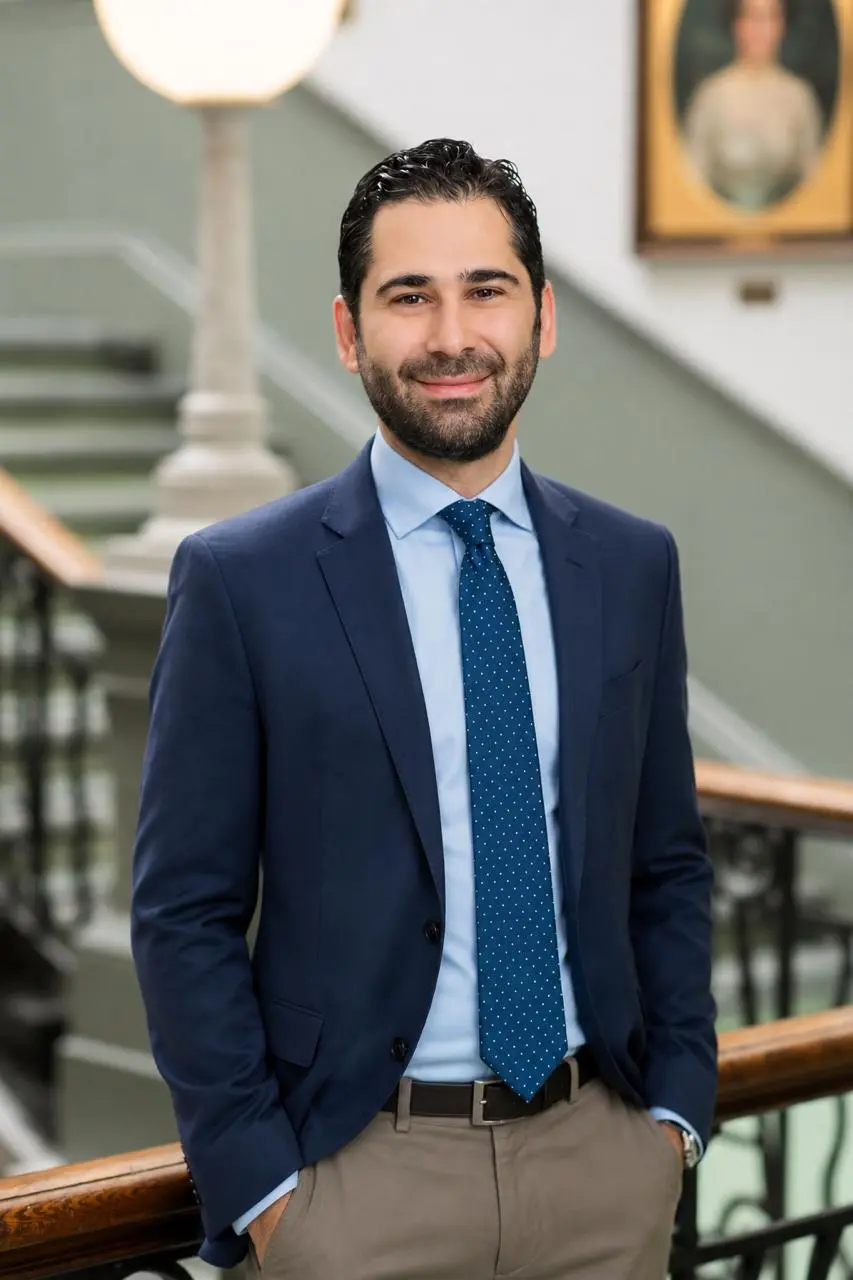
Prof. Hanna is a UK board-certified consultant orthopaedic hip and knee surgeon at Healthpoint Hospital, Abu Dhabi. His clinical interests include sports and soft-tissue knee problems, cruciate ligament injuries, arthroscopic surgery, knee cartilage and meniscus problems, partial knee replacement, primary and revision joint replacement, minimally invasive techniques and robotic-assisted hip and knee replacement.