SPECIALIST KNEE CARE · ABU DHABI

A clearer route throughknee pain, injury and replacement.

Choose the pathway closest to what is limiting you. Prof. Dr. Sammy Hanna assesses knee arthritis, meniscus and cartilage problems, ACL and sports knee injuries, and partial, total, robotic-assisted or revision knee replacement in Abu Dhabi. Rated among the best knee surgeons in Abu Dhabi, he treats patients from across the UAE at Healthpoint Hospital.

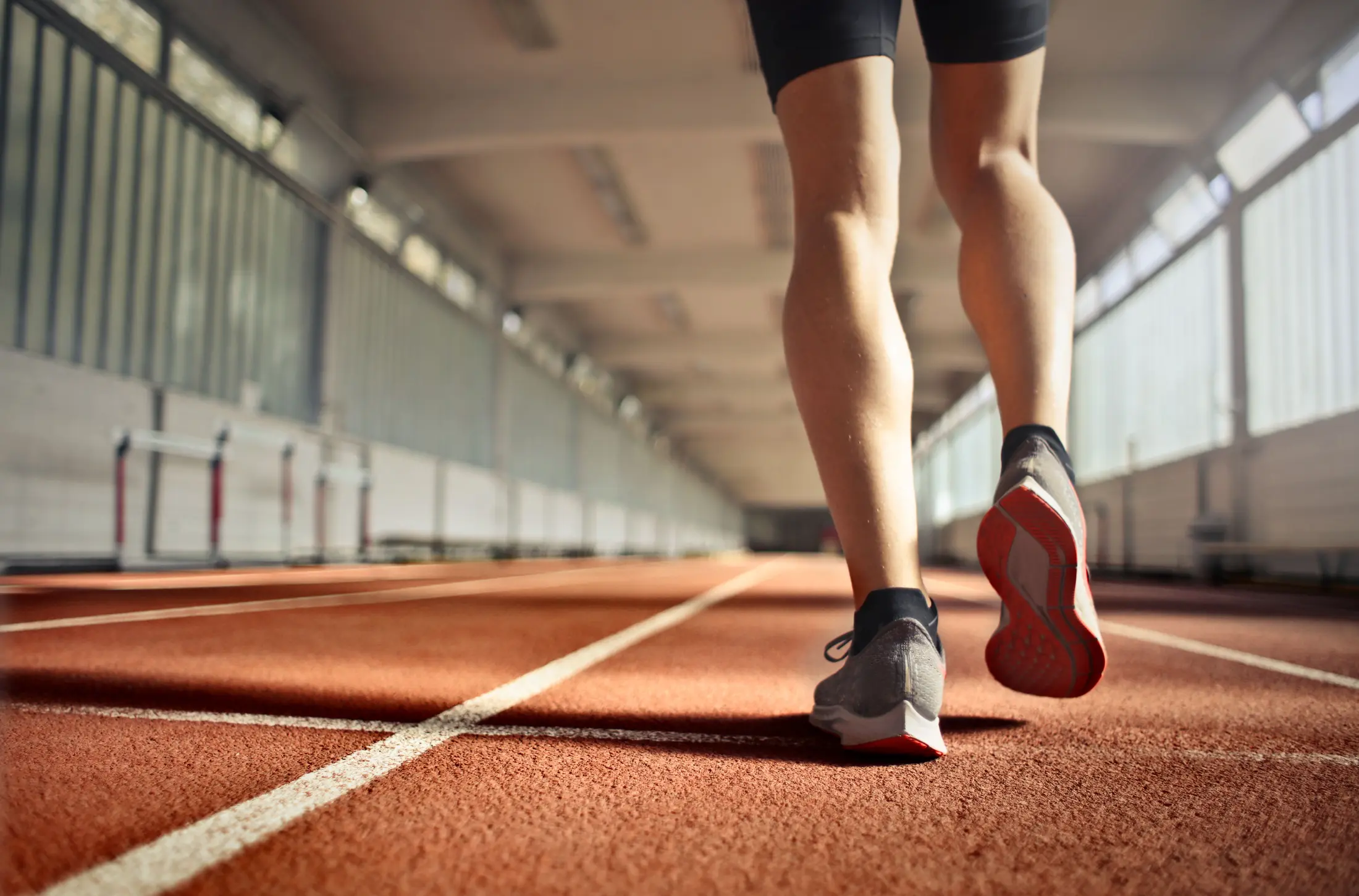
Runner moving on an indoor track, photographed from knee level to represent specialist knee care and active movement
Movement, assessed properly.

THE KNEE PRACTICE

Different knee problems need different conversations.

Pain that builds slowly, a knee that gives way after sport and arthritis that limits ordinary walking can feel equally disruptive—but they do not lead down the same clinical route.

Prof. Hanna’s knee practice in Abu Dhabi brings specialist assessment, examination and appropriate imaging together before treatment is discussed. Care spans knee arthritis, meniscus and cartilage injuries, ACL and ligament problems, arthroscopic knee surgery, partial and total knee replacement, robotic-assisted knee replacement, and complex or revision knee replacement.

  • Arthritis
  • Meniscus
  • Cartilage
  • ACL & ligaments
  • Partial & total replacement
  • Complex revision

FIND YOUR STARTING POINT

What is your knee stopping you from doing?

Choose the concern that feels closest. We will guide you to the most useful information—not try to diagnose you here.

Sudden severe pain, a visibly deformed joint, inability to bear weight, fever with a hot swollen knee, or concern about a blood clot requires prompt medical assessment.

PAIN & CONDITIONS

Pain with walking, stairs or everyday activity

This route explains common causes of knee pain, arthritis, kneecap symptoms, meniscus and cartilage problems, and when specialist assessment may help.

Explore knee pain & conditions Symptoms alone cannot confirm a diagnosis.

HOW KNEE DECISIONS ARE MADE

Diagnosis first. Options second.

A useful plan starts with the cause of the problem and the function you want back. Treatment may include rehabilitation, selected injections or other non-operative care, arthroscopic or ligament surgery, or joint replacement.

01

Hear the pattern

When it started, what triggers it and what it prevents

02

Test the knee

Movement, swelling, alignment, strength and stability

03

Use imaging selectively

X-rays or MRI when they can change the decision

04

Agree the next step

A plan matched to the diagnosis, goals and trade-offs

Sports knee & ACLMeniscus & cartilageArthroscopic surgeryPartial knee replacementRobotic-assisted replacementComplex & revision replacement

KNEE FAQs

The questions patients ask at the beginning.

General information only. Diagnosis and treatment recommendations require an individual assessment.

Request an appointment
01When should I see a knee specialist?

Assessment may be helpful when pain persists, repeatedly swells, locks, catches, gives way, limits walking or sport, or follows a significant injury. Urgent symptoms should be assessed promptly.

02Does every knee problem require surgery?

No. Management depends on the diagnosis, severity and your goals. Rehabilitation, activity modification, medication or selected injections may be appropriate before surgery.

03Which knee conditions does Prof. Hanna assess?

His practice includes knee arthritis, meniscus and cartilage problems, kneecap-related pain, ACL and other sports knee injuries, and problems affecting a previous knee replacement. Explore knee pain and conditions or sports knee care.

04What is robotic-assisted knee replacement?

It uses digital planning and intra-operative technology to support implant positioning and alignment. The surgeon remains responsible for the plan and every clinical decision. Read about knee replacement options.

05How do partial and total knee replacement differ?

Partial knee replacement treats a suitable isolated compartment. Total knee replacement resurfaces the main compartments. Examination and imaging determine whether either is appropriate. Compare the replacement pathways.

06Can I return to sport after an ACL injury?

Return-to-sport timing is individual. Decisions consider stability, strength, movement control, rehabilitation progress and the demands of the sport. Explore the ACL and sports knee pathway.

WHEN THE ROUTE ISN’T OBVIOUS

You do not need the answer before you arrive.

Bring the symptoms, the timeline and the activities that matter to you. The assessment is there to clarify what comes next.

Book a knee consultation
Healthpoint appointments80077
Chat with us