01What is patellofemoral pain?+
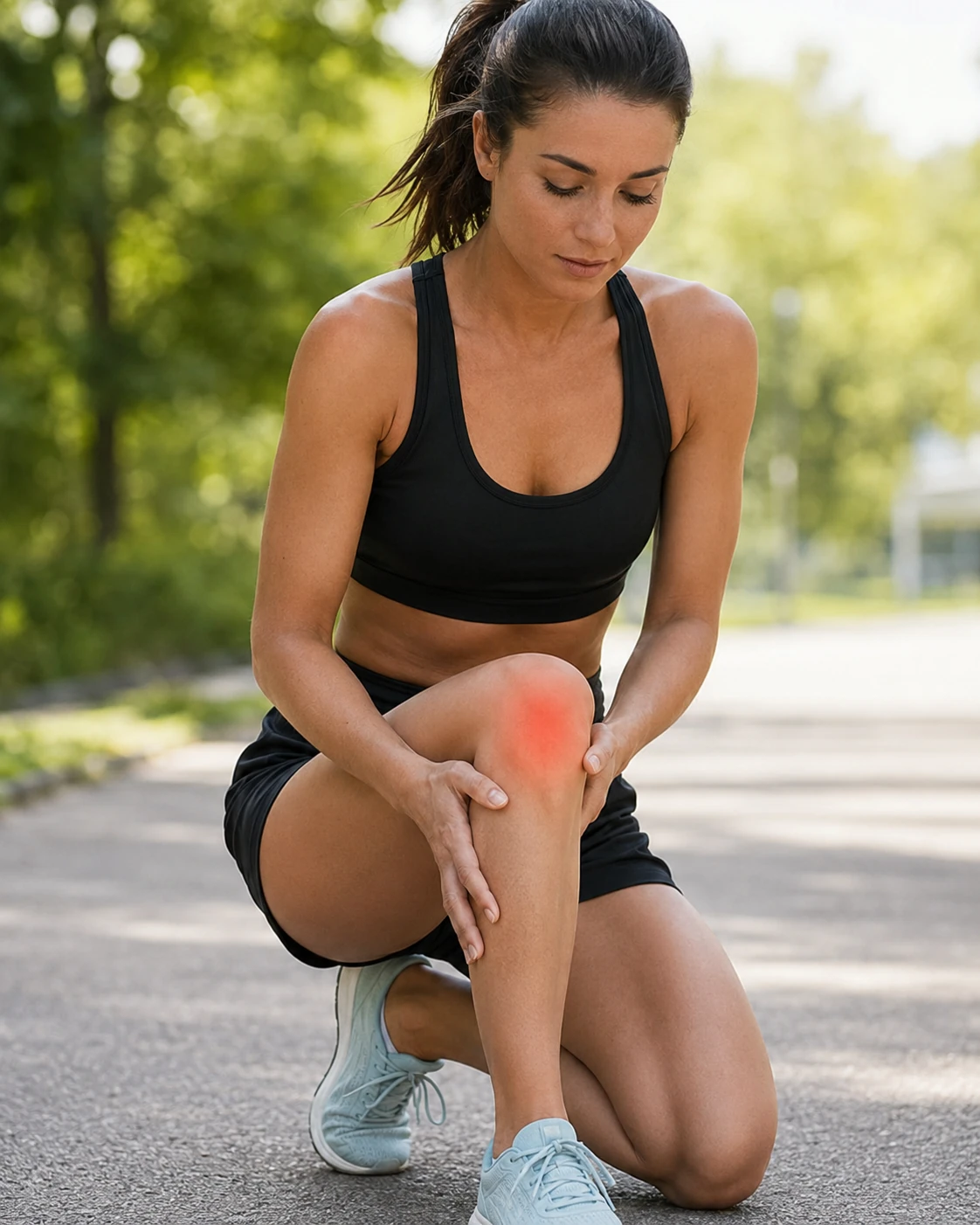
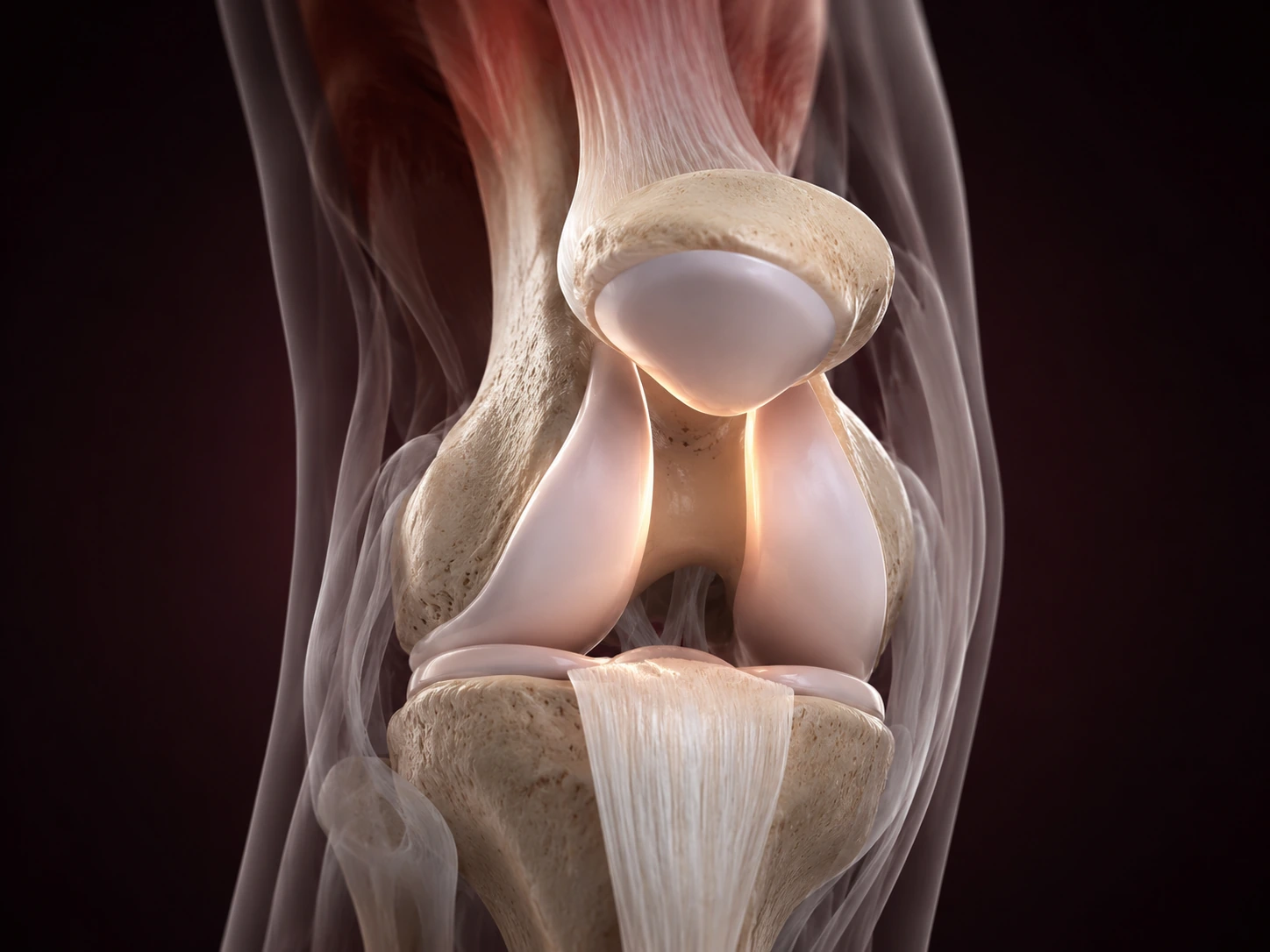
Patellofemoral pain describes pain around or behind the kneecap. It is commonly aggravated by activities that load the knee while it is bent, including stairs, squatting, running, jumping and prolonged sitting.
02Why does it hurt on stairs or squats?+
These tasks increase demand across the patellofemoral joint. Symptoms can reflect the relationship between current activity load, knee and hip strength, movement control, flexibility and individual anatomy rather than one single universal cause.
03Is clicking or grinding around the kneecap dangerous?+
Not necessarily. Crepitus and clicking are common and do not prove significant damage on their own. They deserve more attention when accompanied by pain, swelling, true locking, instability or meaningful loss of function.
04Do I need an MRI?+
Not always. A typical patellofemoral pain pattern is often assessed from the history and physical examination. Imaging may be useful when symptoms are atypical, follow significant injury, fail to improve as expected or when cartilage, arthritis, instability or another diagnosis needs to be assessed.
05What exercises are usually used?+
Rehabilitation commonly combines progressive quadriceps and hip strengthening with movement-control work and a graded return to the activities that provoke symptoms. The exact exercises, range and load should be matched to the individual's irritability and goals.
06Will I need surgery?+
Most isolated patellofemoral pain is treated without surgery. A procedure is considered only when persistent symptoms are linked to a clearly defined structural problem and appropriate non-operative care has not restored enough function.
07Can I keep running or training?+
Often yes, with temporary adjustment of volume, intensity, hills, jumping or deep flexion while load tolerance is rebuilt. The aim is usually a graded return rather than permanent avoidance. Repeated swelling, instability, true locking or worsening function should prompt reassessment.