KNEECAP & PATELLOFEMORAL PAIN · ABU DHABI

Kneecap pain is not one diagnosis.The pattern shows what the joint is struggling to tolerate.

Patellofemoral pain is usually felt around or behind the kneecap and often becomes more noticeable on stairs, squats, running, jumping or after sitting with the knee bent. The assessment connects the pain pattern with recent changes in load, hip and knee strength, movement control, patellar mechanics and any signs that point to a different diagnosis. Kneecap pain treatment in Abu Dhabi is available at Healthpoint Hospital.

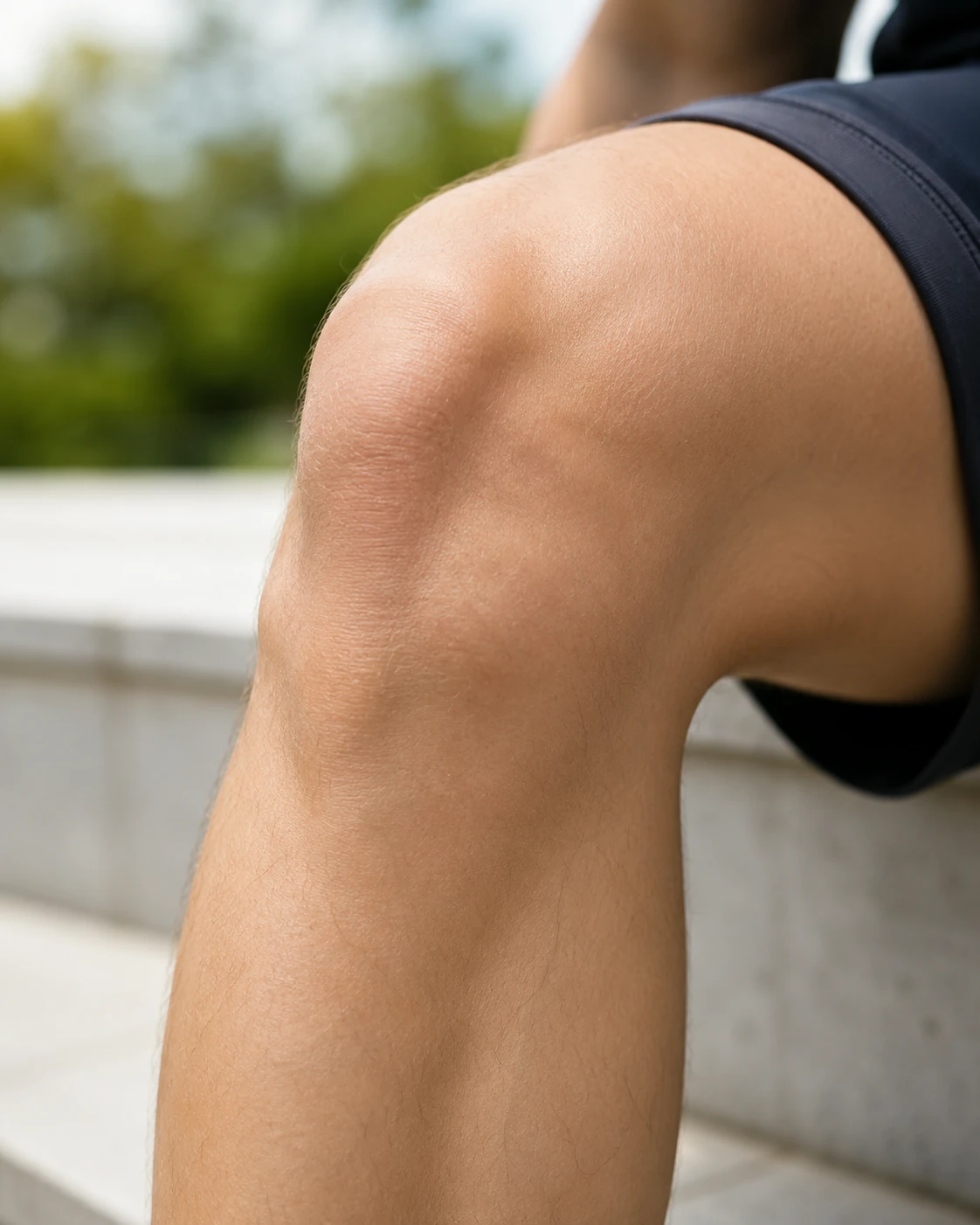
Close-up of a bent knee with the kneecap clearly visible

CHAPTER 01 · THE PATTERN

When does the front of the knee complain?

Choose the closest description. Patellofemoral pain is usually recognised by a pattern of symptoms under load; the same symptoms can overlap with cartilage, tendon, instability and arthritic problems.

PATTERN 01AN EDUCATIONAL GUIDE

Going downstairs is worse than walking on level ground.

Descending stairs often increases demand across the patellofemoral joint. The examination looks at where the pain is felt, how the knee controls the step and whether the pattern is reproduced consistently.

See what the examination checks

CHAPTER 02 · EXAMINATION

Do not examine the kneecap in isolation. Recreate the movement that hurts.

Patellofemoral pain is usually a clinical diagnosis. A useful examination connects the exact pain location with the tasks that provoke it, then checks strength, movement control, patellar behaviour and signs of competing diagnoses.

  1. 01

    Where is the pain actually felt?

    Pain around or behind the patella fits a patellofemoral pattern better than focal joint-line, tendon or posterior-knee pain.

  2. 02

    Which loaded movement reproduces it?

    A squat, step-down, lunge, running task or repeated sit-to-stand can show how symptoms behave as knee flexion and load increase.

  3. 03

    How do the hip, thigh and knee control the task?

    Hip and quadriceps strength, single-leg control, trunk position and movement strategy can all influence how load is shared during activity.

  4. 04

    What does the patella itself show?

    Tenderness, mobility, apprehension and tracking are assessed in context. A tracking observation can be relevant without being the only explanation for pain.

  5. 05

    Is another knee diagnosis more likely?

    Effusion, true locking, instability, focal tendon pain, joint-line signs, trauma or significant stiffness may shift the assessment toward meniscus, cartilage, ligament or arthritis pathways.

PAIN MAP / 02
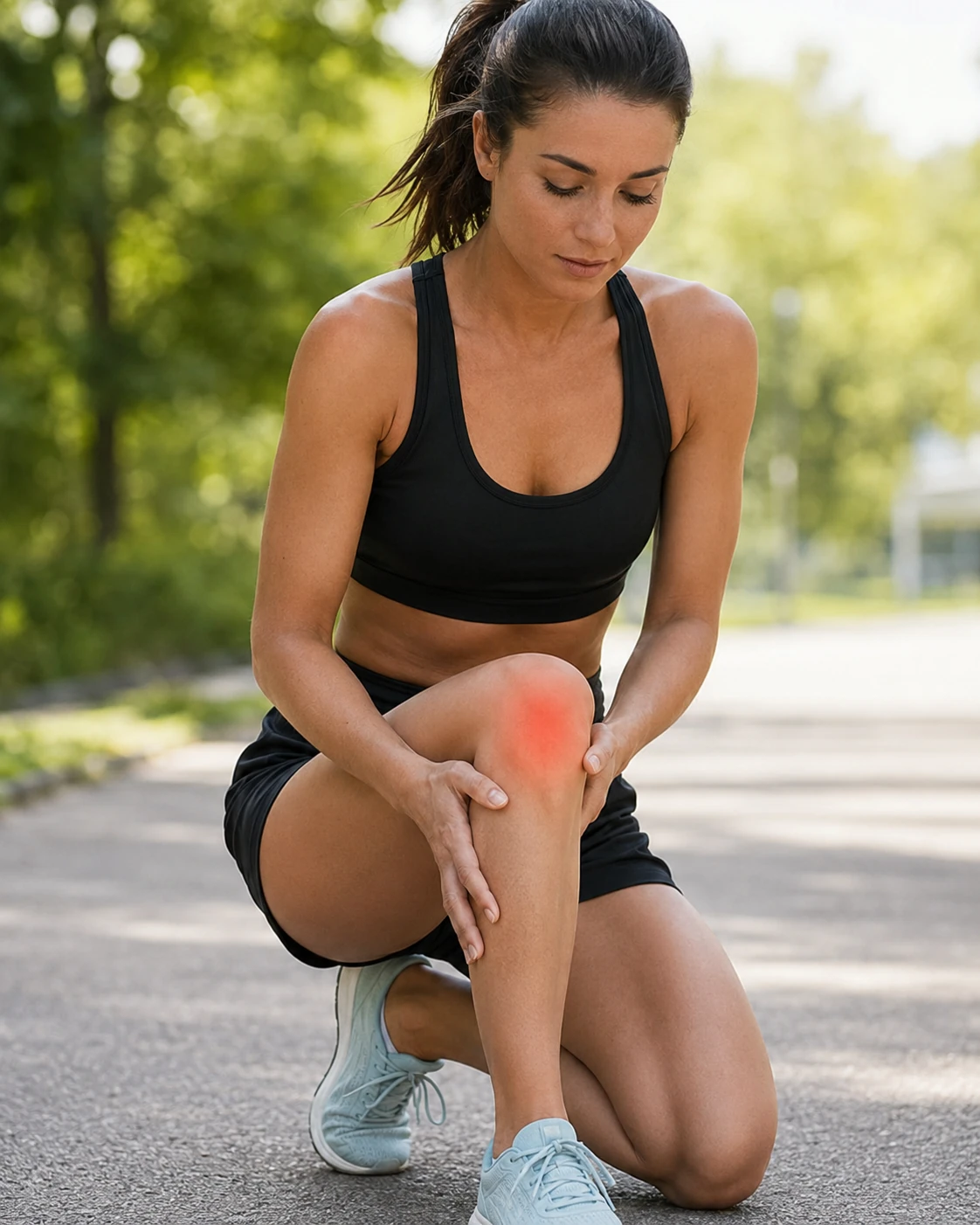
Active woman indicating pain around the front of the kneecap after activity
“Where you feel the pain matters. What movement brings it on matters just as much.”

CHAPTER 03 · JOINT VIEW

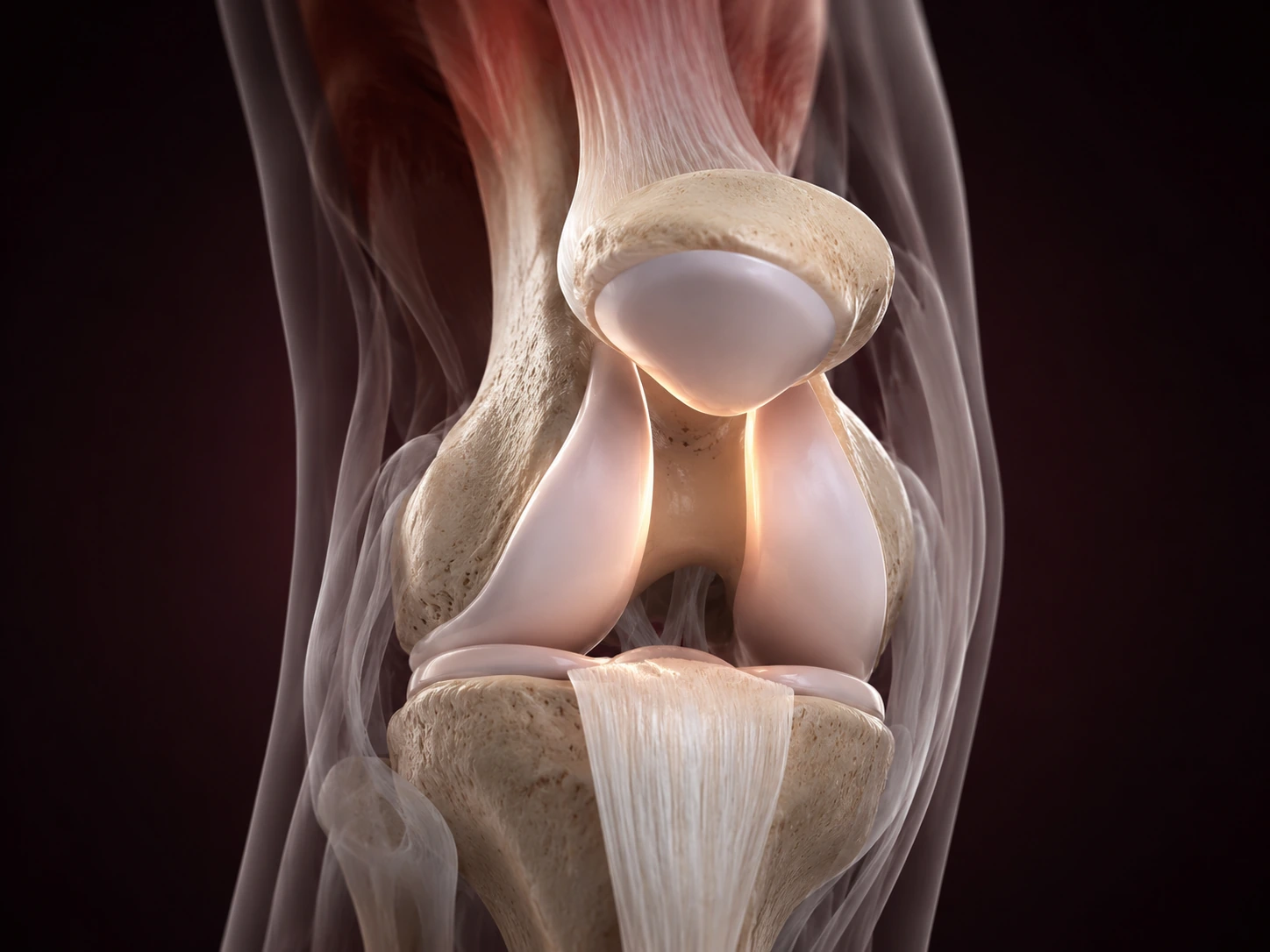
The kneecap moves through a groove.Imaging adds structure when the clinical story needs it.

The patella glides within the trochlear groove as the knee bends and straightens. Many people with a typical patellofemoral pain pattern can be assessed clinically; X-rays or MRI may be used when symptoms are atypical, persistent, follow significant injury or suggest cartilage, arthritis, instability or another structural problem.

3D educational anatomy of the patellofemoral joint showing the kneecap, trochlear groove and cartilage surfaces
3D educational anatomyNot patient-specific

SELECTED OBSERVATION 01 / 03

The patella is part of the knee's extensor mechanism

The kneecap sits within the quadriceps mechanism and connects to the tibia through the patellar tendon. As the knee bends and straightens, it glides against the end of the femur rather than functioning as an isolated bone.

CHAPTER 04 · OPTIONS

Treatment rebuilds tolerance.
It should not turn the knee into something you are afraid to use.

Most isolated patellofemoral pain is managed non-operatively. The plan is adjusted to the person's irritability, strength, movement demands, training history, work and sport rather than prescribing one identical exercise programme to everyone.

ROUTE01

CALM THE LOAD

Reduce the spike in aggravating load without abandoning movement.

What it may include

Temporary adjustment of running volume, hills, repeated stairs, deep squats or jumping while maintaining tolerable conditioning and everyday movement.

What it should avoid

Long-term complete rest can reduce capacity. The aim is to bring symptoms into a manageable range so useful loading can be rebuilt progressively.

See how progress is judged

The routes work together. Load management creates room to strengthen; strengthening increases capacity; selected adjuncts can make rehabilitation easier; persistent or atypical symptoms trigger a fresh diagnostic review rather than automatic escalation to surgery.

CHAPTER 05 · DECISION

When does a procedure enter the conversation?

Rarely for uncomplicated patellofemoral pain. A procedure becomes relevant only when persistent symptoms are tied to a clearly defined structural problem—such as recurrent instability, a focal cartilage lesion or established patellofemoral arthritis—and appropriate non-operative treatment has not restored enough function.

01

The diagnosis has been re-checked

The symptoms, examination and any necessary imaging support a specific structural problem rather than simply persistent anterior knee pain.

02

Rehabilitation has been progressed properly

Load, hip and knee strength, movement control and return-to-activity progression have been addressed with enough time and consistency.

03

The structural finding fits the symptoms

Instability, cartilage damage or arthritis must plausibly explain the functional limitation before a procedure is discussed.

04

The expected benefit matches the goal

The procedure should solve a defined problem and offer a realistic improvement in the activities that matter to the patient.

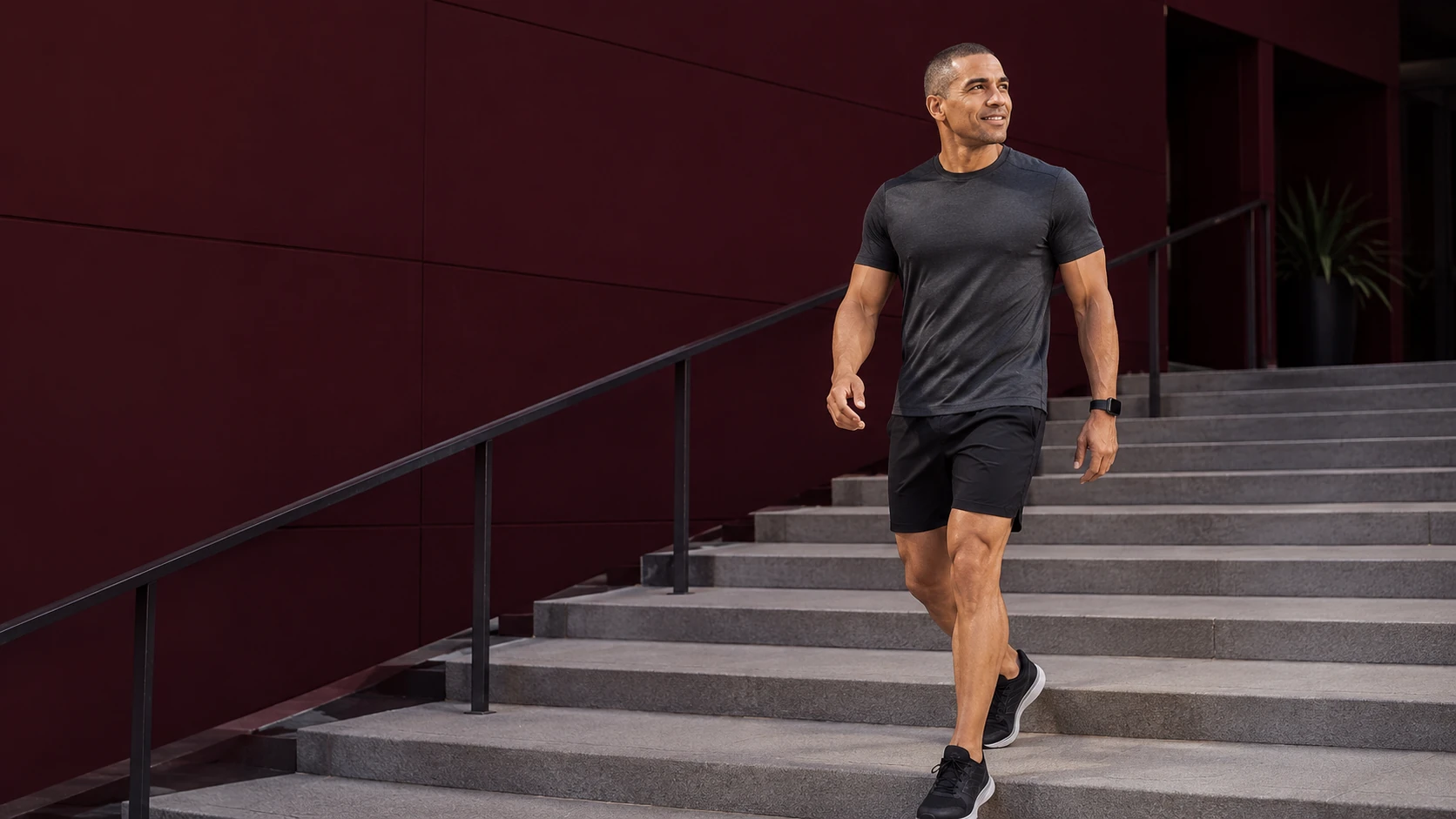
Active man confidently walking down modern stairs after recovery from kneecap pain

BACK TO CONFIDENT MOVEMENT

The target is a knee you trust on stairs, in a squat and back in your routine.

Recovery is measured by what the knee can tolerate reliably—not by avoiding every movement that once hurt. The goal is to rebuild enough capacity for everyday life, training and sport with a sensible response to load.

  • Stairs & daily walking
  • Squat & sit-to-stand
  • Running & conditioning
  • Work, travel & active living

RELATED CLINICAL ROUTES

Front-of-knee pain can overlap with other knee pathways.

The location of pain is useful, but it is not a diagnosis by itself. Cartilage injury, arthritis, meniscal symptoms and patellar instability can sometimes produce overlapping complaints and need different treatment decisions.

PATELLOFEMORAL PAIN FAQ

Questions worth answering before treatment is chosen.

General information only. A diagnosis and personal recommendation require an individual clinical assessment.

Request an appointment
01What is patellofemoral pain?

Patellofemoral pain describes pain around or behind the kneecap. It is commonly aggravated by activities that load the knee while it is bent, including stairs, squatting, running, jumping and prolonged sitting.

02Why does it hurt on stairs or squats?

These tasks increase demand across the patellofemoral joint. Symptoms can reflect the relationship between current activity load, knee and hip strength, movement control, flexibility and individual anatomy rather than one single universal cause.

03Is clicking or grinding around the kneecap dangerous?

Not necessarily. Crepitus and clicking are common and do not prove significant damage on their own. They deserve more attention when accompanied by pain, swelling, true locking, instability or meaningful loss of function.

04Do I need an MRI?

Not always. A typical patellofemoral pain pattern is often assessed from the history and physical examination. Imaging may be useful when symptoms are atypical, follow significant injury, fail to improve as expected or when cartilage, arthritis, instability or another diagnosis needs to be assessed.

05What exercises are usually used?

Rehabilitation commonly combines progressive quadriceps and hip strengthening with movement-control work and a graded return to the activities that provoke symptoms. The exact exercises, range and load should be matched to the individual's irritability and goals.

06Will I need surgery?

Most isolated patellofemoral pain is treated without surgery. A procedure is considered only when persistent symptoms are linked to a clearly defined structural problem and appropriate non-operative care has not restored enough function.

07Can I keep running or training?

Often yes, with temporary adjustment of volume, intensity, hills, jumping or deep flexion while load tolerance is rebuilt. The aim is usually a graded return rather than permanent avoidance. Repeated swelling, instability, true locking or worsening function should prompt reassessment.

YOUR MOVEMENT PATTERN

If stairs, squats or running keep provoking the kneecap, make the pattern clear.

Bring the symptom timeline, any recent change in training or daily load, previous rehabilitation, imaging if available and the activities you want to return to. The consultation is designed to separate uncomplicated patellofemoral pain from instability, cartilage, arthritis and other causes of front-of-knee symptoms.

Prof. Dr. Sammy Hanna, consultant orthopaedic hip and knee surgeon

YOUR SPECIALIST

Prof. Dr. Sammy Hanna

Prof. Hanna is a UK board-certified consultant orthopaedic hip and knee surgeon at Healthpoint Hospital, Abu Dhabi. His clinical interests include sports and soft-tissue knee problems, knee cartilage and cruciate ligament injuries, arthroscopic surgery, partial knee replacement, primary and revision joint replacement, minimally invasive techniques and robotic-assisted hip and knee replacement.

Chat with us