Previous imaging
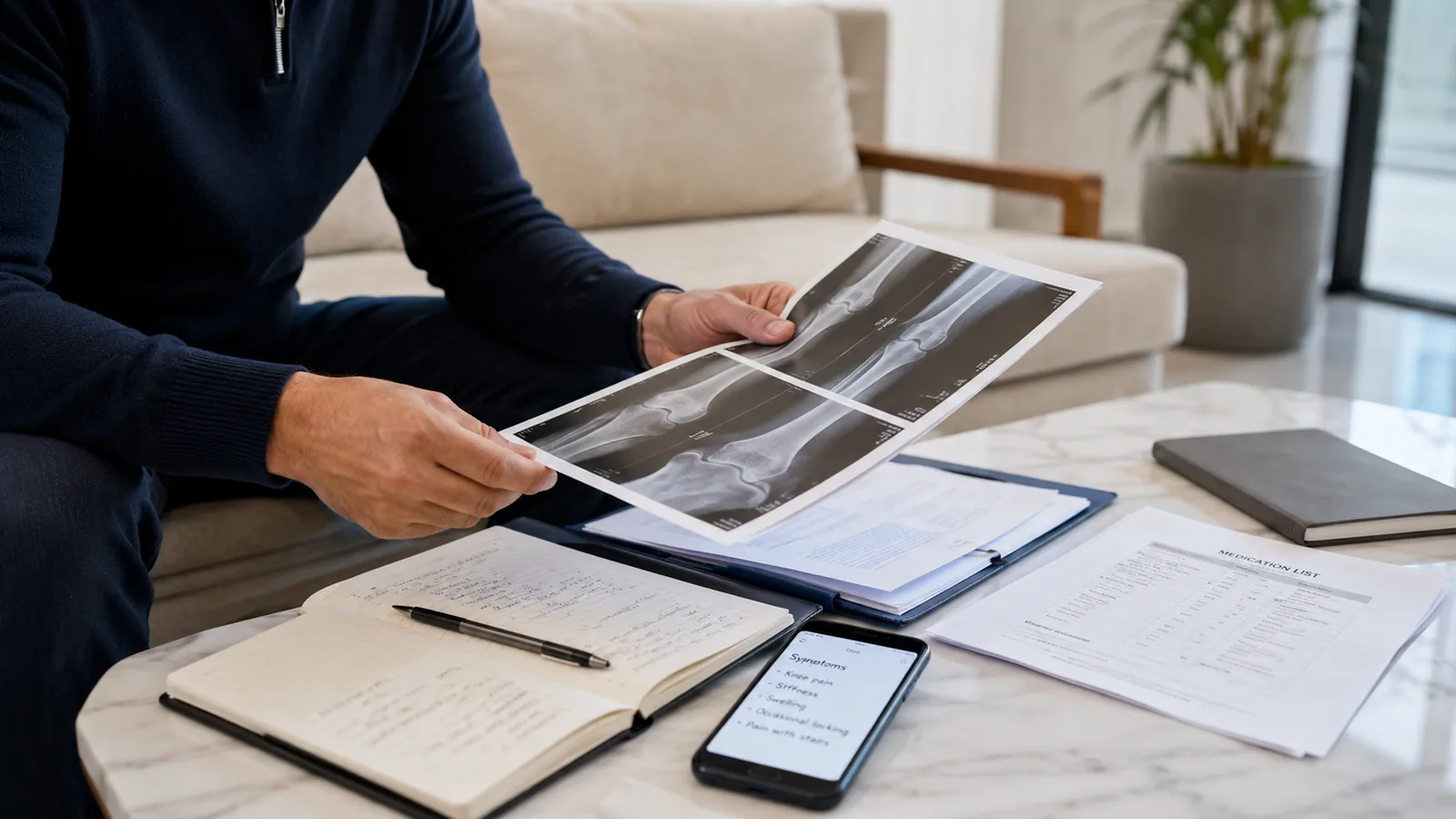
Bring relevant X-rays, MRI or CT images and reports if you have them, especially when they relate to the same problem or previous surgery.
 PROF. DR. SAMMY HANNAMD · FACS · FRCS (TR&ORTH) · CCT (TR&ORTH)
ORTHOPAEDIC PATIENT GUIDE · ABU DHABI
A practical guide for patients seeing Prof. Dr. Sammy Hanna for hip, knee or sports-injury care. Bring the information that helps the consultation, understand how to prepare if surgery is planned, and follow a structured recovery plan afterwards.
BEFORE YOUR APPOINTMENT
You do not need to diagnose yourself. The aim is to arrive with the details that can shorten guesswork and make the clinical discussion clearer.
Bring relevant X-rays, MRI or CT images and reports if you have them, especially when they relate to the same problem or previous surgery.
Keep an up-to-date medication list and note important medical conditions, allergies and previous operations.
When did it begin? What movement triggers it? Has there been swelling, locking, giving way, night pain or a change in walking?
Work, walking, sport, travel and daily-life goals help put treatment options into the context that matters to you.
IF SURGERY IS PLANNED
Pre-operative instructions vary by procedure and by your health. Follow the specific instructions from Prof. Hanna, Healthpoint and the anaesthetic team rather than changing medication, fasting or activity on your own.
AFTER TREATMENT OR SURGERY
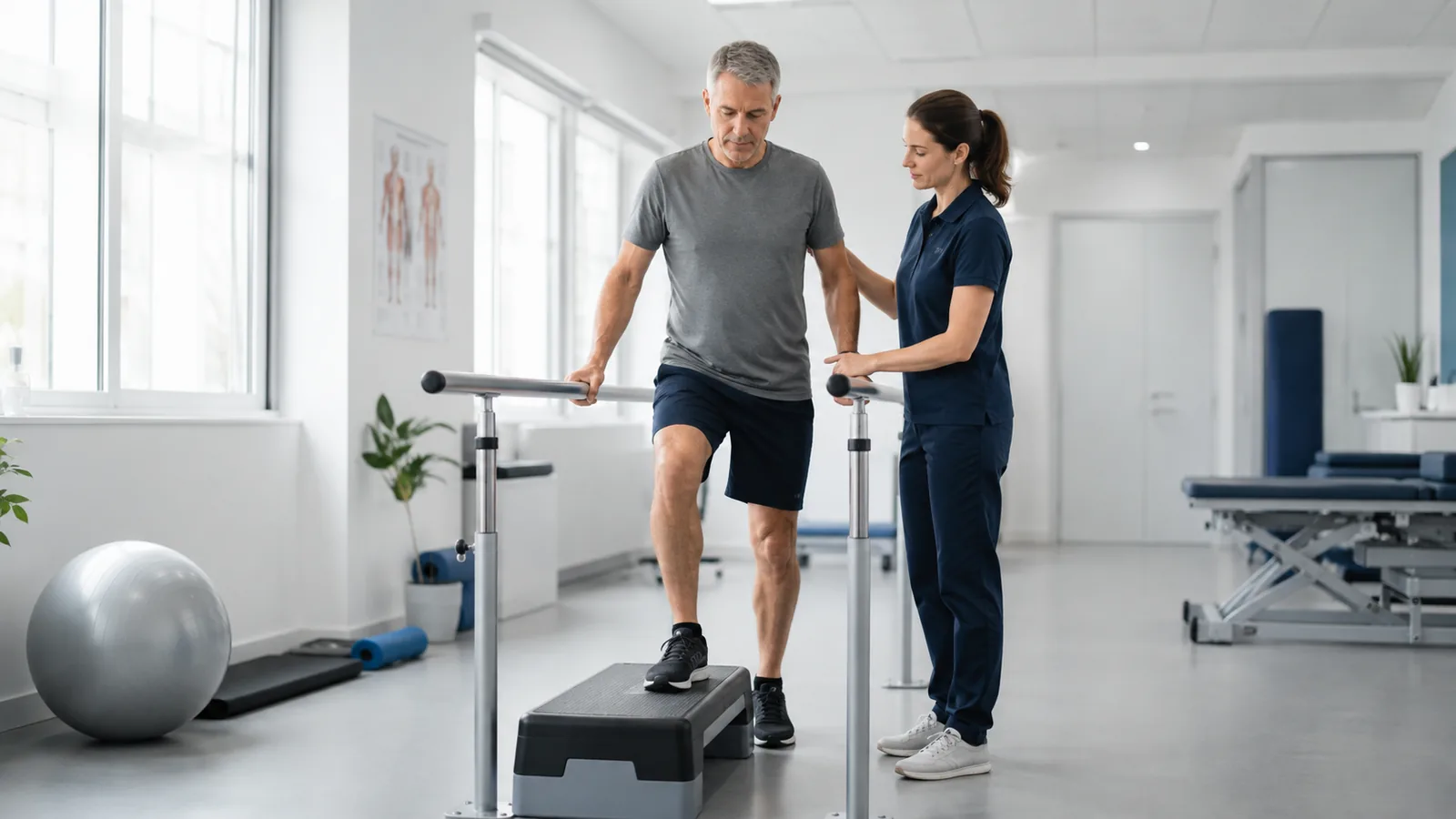
Early recovery commonly focuses on safe movement, symptom control and progressively rebuilding strength and function. The pace depends on the procedure, your health, the tissues involved and the goals you are returning to.
USEFUL ROUTES
Condition-specific guidance lives in the relevant Knee, Hip and Sports sections. Articles and updates live in Insights.

PROF. DR. SAMMY HANNA · HEALTHPOINT ABU DHABI
Bring your symptoms, previous imaging and the activities that matter to you. The consultation can organise the next step and direct you to the most useful pathway.